Markets, fiestas, hiking, sailing and town calendars — how year-round life on the Costa Blanca North really feels, and which towns match which lifestyle.
Lifestyle and Local Events on the Costa Blanca North: Living Beyond the Beach
Buyers who only visit in August often leave with the wrong mental picture. The Costa Blanca North — Jávea, Moraira, Altea, Calpe, Dénia and the valleys behind them — is not just a summer beach strip. For people who actually live here, the year is shaped by weekly markets, village fiestas, hiking seasons, sailing calendars and a food culture that does not shut in October.
If you are choosing a home for part-year or full-time living, lifestyle fit matters as much as square metres. This guide sketches how daily life and local events work in the North, and how that should influence where you buy.
The year-round lifestyle (not the holiday brochure)
Mild winters and long outdoor seasons are real. So is the difference between a resort that empties in November and a town with schools, clubs and a Tuesday market that runs all year.
What residents typically build into their weeks:
- Morning coffee and paseo culture in old towns (Altea’s stepped streets, Jávea’s historic centre, Moraira’s harbour front).
- Outdoor sport: padel and tennis clubs, coastal walks, cycling climbs inland, swimming when the sea is calm, golf within a short drive.
- Nature on the doorstep: Montgó Natural Park above Jávea and Dénia, cliff paths toward Cap de la Nau, pine and terraced hillsides behind Moraira and Benissa.
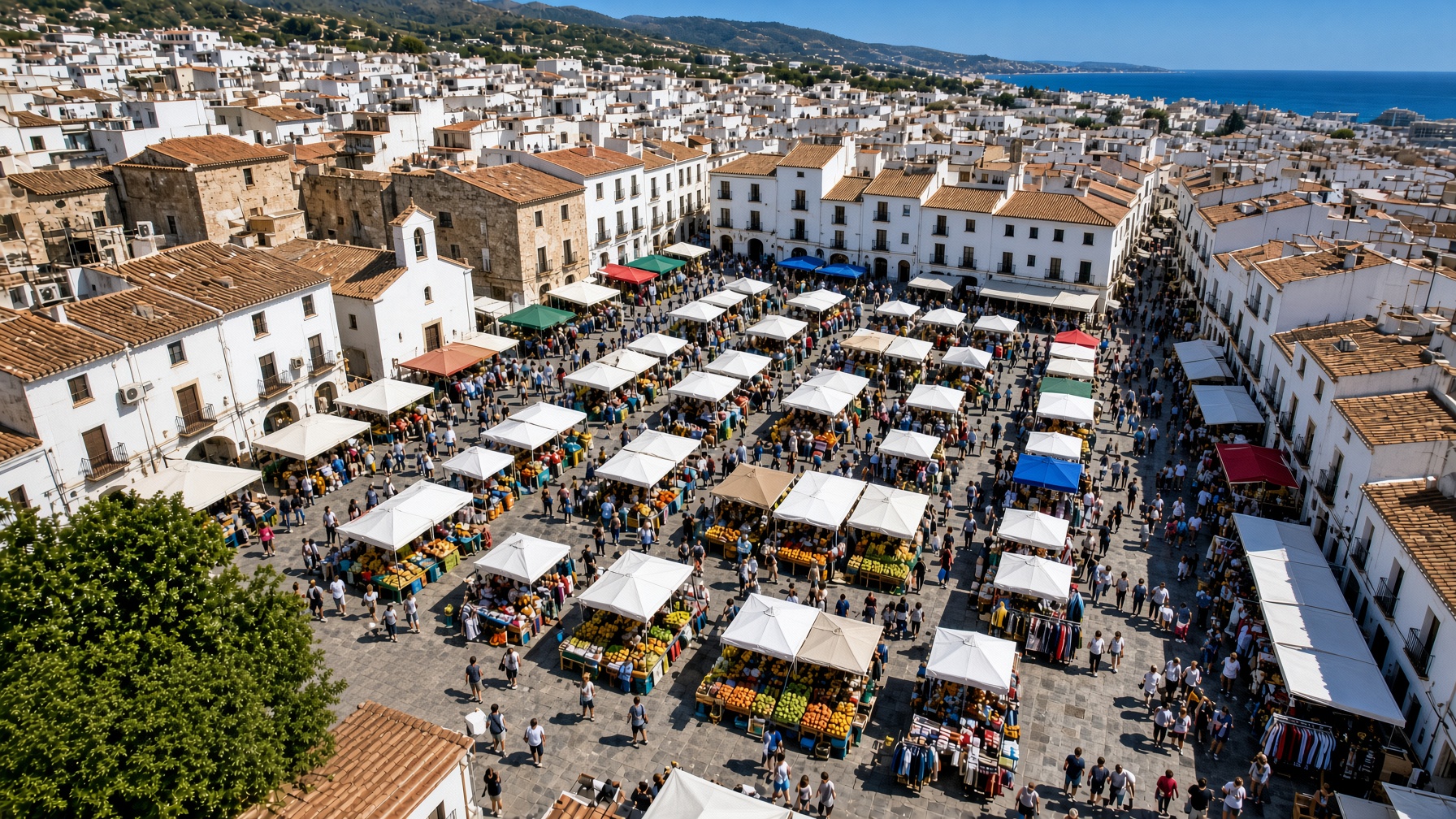
- Weekly markets for fruit, vegetables, cheese and household goods — still a social ritual, not only a tourist stop.
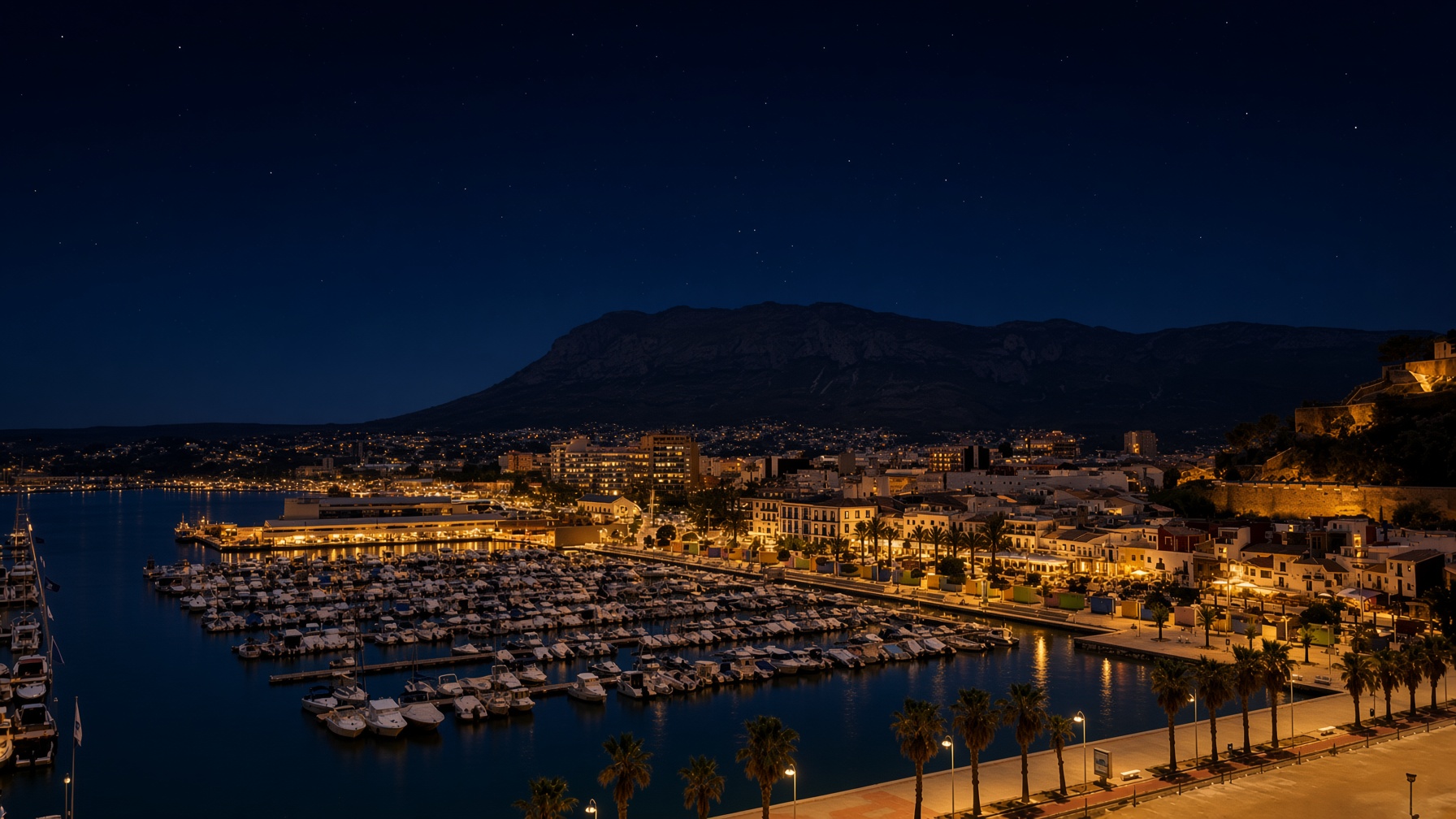
- Harbour and marina life in Moraira, Jávea’s Arenal and port, Dénia’s working harbour and ferry link to the Balearics.
The North’s international communities (Dutch, Belgian, British, German, Scandinavian, French and growing numbers of other nationalities) mean you can find language-friendly clubs and services — without having to live in an English-only bubble if you prefer Spanish village rhythm.
Local events: the calendar that makes a town feel alive
Fiestas and cultural dates shift slightly each year, so always check the town hall (ayuntamiento) or tourist office closer to the time. The pattern, though, is stable.
Moors and Christians (Moros y Cristianos)
Several North Coast towns stage elaborate Moors and Christians festivals — costumes, bands, mock battles and night-time atmosphere that fills the streets. Jávea, Calpe, Moraira/Teulada and others each have their own dates and flavour, usually clustered in late spring through summer. For residents, it is both spectacle and community: associations rehearse for months.
Patron saint and summer fiestas
Every municipality has patron saint celebrations, fireworks, open-air dinners and children’s activities. Calpe’s summer festivities around the Virgen de las Nieves, Moraira’s harbour-side summer programme, and village fiestas inland all create weeks when the town square becomes the living room.
Music and street culture
- Jazz and open-air concerts appear regularly in summer — Jávea’s jazz evenings in the historic centre and Moraira’s Voramar street jazz weeks are favourites for residents who want culture without driving to Alicante.
- Craft and artisan fairs (Altea is especially known for its artistic character and seasonal craft markets) reward an evening stroll more than a checklist visit.
Food and wine moments
Dénia’s reputation for seafood and gastronomy is not marketing fluff — it shapes weekend habits for the whole northern strip. Moraira and Teulada’s wine country (including Moscatel-related celebrations) pulls locals into harvest and tasting seasons. Rice dishes, market tomatoes in season, and harbour fish restaurants are part of weekly life, not only holiday splurges.
Bull-related and traditional events
Some towns still hold traditional events that are culturally important locally and controversial for many international residents (for example certain bous traditions in parts of the Marina Alta). If that matters to you, research the specific municipality before you buy — towns differ.
Town-by-town lifestyle snapshot
Town | Lifestyle feel | Events & social energy | Often suits |
|---|---|---|---|
Jávea / Xàbia | Diverse, active, international + Spanish mix | Strong fiesta calendar, markets, Montgó access, Arenal buzz in summer | Families, remote workers, buyers who want services year-round |
Moraira / Teulada | Quieter, polished harbour lifestyle | Summer music and fiestas, yacht-club atmosphere, wine hinterland | Couples and families wanting calm without isolation |
Altea | Artistic old town, gallery and café culture | Craft fairs, concerts, photogenic evening paseo | Buyers prioritising character and walkability |
Dénia | More “Spanish city” energy, ferry port | Gastronomy, lively centre, broader year-round services | Those who want urban amenities with beach nearby |
Calpe | Dramatic Peñón backdrop, denser seafront | Major summer fiestas, long beach life, more apartment living | Buyers wanting facilities and price mix |
Benissa / inland valleys | Slower, more rural Mediterranean | Village fiestas, wine and countryside walks | Peace, space, still within reach of coast schools and clubs |
How lifestyle should steer the property search
- If you want to walk to evening events — prioritise old-town or harbour apartments and townhouses in Altea, Jávea centre, Moraira or Dénia. A hillside villa with a view can mean a car for every concert.
- If you want nature first — Montgó foothills, Benitachell, Jesús Pobre, parts of Benissa and the Moraira backcountry. Check winter access and community feel when tourism dips.
- If you split the year — ask how dead the micro-location feels in January. Arenal beach bars closing is normal; an entire urbanisation without a bakery is a different problem.
- If you have children — layer this lifestyle map on top of school catchments (international and public). The best fiesta town is the wrong buy if the school run is 50 minutes each way.
- If you charter or sail — marina proximity and parking matter more than brochure adjectives. Moraira and Dénia behave differently from a cliff-top villa above Jávea.
A practical resident’s rhythm
A full-time or long-stay pattern many clients describe looks like this:
- Weekdays: school or remote work, morning walk or swim, market midweek, padel or club sport, early dinner culture.
- Weekends: hiking or boat days in shoulder seasons; fiestas and open-air music in summer; long lunches; day trips to Valencia or Alicante when you want a city hit.
- Shoulder months (April–June, September–November): often the sweet spot — warm enough for the sea, fewer crowds, still a full events calendar starting up or winding down.
That rhythm is why so many buyers who came for “sun” stay for calendar and community.
Bottom line for Moments Estates clients
Lifestyle on the Costa Blanca North is built from small repeating pleasures: the market bag, the cliff path, the harbour walk, the week the whole town dresses for Moros y Cristianos. Events are not an add-on for tourists — they are how neighbours meet.
When you brief us, say how you actually want to spend Tuesday evenings and October weekends — not only how many bedrooms you need. We can then match micro-locations in Jávea, Moraira, Altea, Calpe, Dénia and the inland villages to a life you will use, not only a view you will photograph once.
Speak with our team for a town shortlist based on lifestyle priorities, season of use and budget — then walk the plazas in person before you commit.
.jpeg)