Choosing a school often decides where families buy. Here is how public, bilingual and international options work on the Costa Blanca — and which towns fit which path.
Public and International Schools on the Costa Blanca: A Guide for Families Moving to Spain
For many families considering a move to Spain, the property search starts with a different question: where will the children go to school?
On the Costa Blanca — especially the North, around Jávea, Moraira, Altea, Calpe, Dénia and La Nucía — education options are one of the strongest reasons international buyers choose one town over another. The right school can shape commute times, neighbourhood choice, budget and even whether a long-term move feels realistic.
This guide explains how the public system, bilingual private schools and international schools work in the region, and how that maps onto where families typically look for a home. It is practical orientation, not an admissions prospectus — always verify fees, places and curricula directly with each school.
Why schools drive the property decision
Unlike a holiday-home purchase, a family relocation ties you to a daily routine. Parents quickly discover that:
- Catchment and commute matter as much as sea views.
- Waiting lists at popular international schools can force earlier decisions on housing.
- Choosing the Spanish public system usually means living closer to a specific colegio or instituto and planning for language immersion.
- Choosing a British, IB or other international school often means budgeting five-figure annual fees per child and accepting a longer school-run from certain villages.
In practice, families who want short school runs cluster around Jávea, Benitachell, Teulada-Moraira, Altea, La Nucía, Alfaz del Pi and Dénia. Buyers who are happy to drive 25–40 minutes open up more of Calpe, Benissa Costa and inland valleys — often at a better price per square metre.
How the Spanish public system works (Valencian Community)
Compulsory education in Spain runs roughly from ages 6 to 16 (primary Educación Primaria, then compulsory secondary ESO). Infant education (Educación Infantil) is widely available before that; Bachillerato or vocational routes follow after 16.
Public schools (colegios públicos and institutos) are tuition-free. Families still budget for books, materials, lunch, transport and extracurriculars, but there is no private school fee.
In the Valencian Community (which includes Alicante province and the Costa Blanca), language is the point families ask about most:
- Teaching is organised around Spanish and Valencian (the regional language), with English as a foreign language to varying degrees.
- The exact balance depends on the school’s linguistic programme. Some are more Valencian-heavy; others give more weight to Spanish or strengthen English.
- Many schools offer support for newly arrived non-Spanish-speaking children (welcome / immersion support), but the intensity varies. Younger children often adapt faster than teenagers.
Empadronamiento (local registration at your address) and living in the school’s catchment area heavily influence admission to popular public schools. That is why families planning the public route should treat the home address as part of the school strategy — not an afterthought once the keys are handed over.
Public schooling is often the best fit when:
- You want children to integrate fully into Spanish (and local) life.
- The household budget cannot absorb international fees for several years.
- At least one parent can support homework and social life in Spanish over time.
It is harder when teenagers arrive with little Spanish and need to sit exams quickly, or when parents need continuity with a British, Dutch, German, French or International Baccalaureate pathway for a move back home later.
International and British schools in the Costa Blanca North
The North has a denser cluster of English-medium and international options than many overseas buyers expect. Names change ownership and campuses evolve, so treat the list below as a starting map and confirm current age ranges, curricula and fees on each school’s site.
Around Jávea, Benitachell and Moraira
- Xàbia International College (Jávea) — long-established international option in Jávea itself, typically associated with British and Spanish pathways for a wide age range. Convenient if you want to live in or near the town.
- Lady Elizabeth School (Benitachell area) — one of the best-known British / international schools serving the Jávea–Moraira–Dénia corridor. Many relocating families specifically shortlist homes within a manageable drive of this campus.
- Smaller or specialist settings (for example Waldorf-inspired or early-years options) also appear in and around Jávea — worth visiting if you want a particular pedagogy rather than a classic British secondary route.
Altea, La Nucía and Alfaz del Pi
- Elian’s British School La Nucía — British curriculum with a strong following among North Costa Blanca families; the La Nucía location pulls pupils from Altea, Benidorm hinterland and further north.
- Sierra Bernia School (Altea area) — British-curriculum school often considered by families living between Calpe, Altea and the inland hills.
- Altea International School (AIS) — international / alternative pedagogy option in the Altea–La Nucía area.
- Den Norske Skolen i Alfaz del Pi — Norwegian curriculum; relevant if your family is Scandinavian and wants mother-tongue continuity.
Towards Alicante (longer commute, more choice)
- King’s College Alicante, Newton College and other larger international / bilingual colleges sit closer to Alicante and Elche. Some North Coast families accept the drive for facilities or a specific IB / British pathway; others find the daily hours unrealistic with young children.
Typical fee ranges quoted publicly for Costa Blanca international schools often fall roughly in the €5,000–€14,000 per child per year band depending on age, school and extras (transport, lunch, registration). Always get a current fee sheet — figures move, and sibling discounts or enrolment fees change the real total.
Bilingual private schools: the middle path
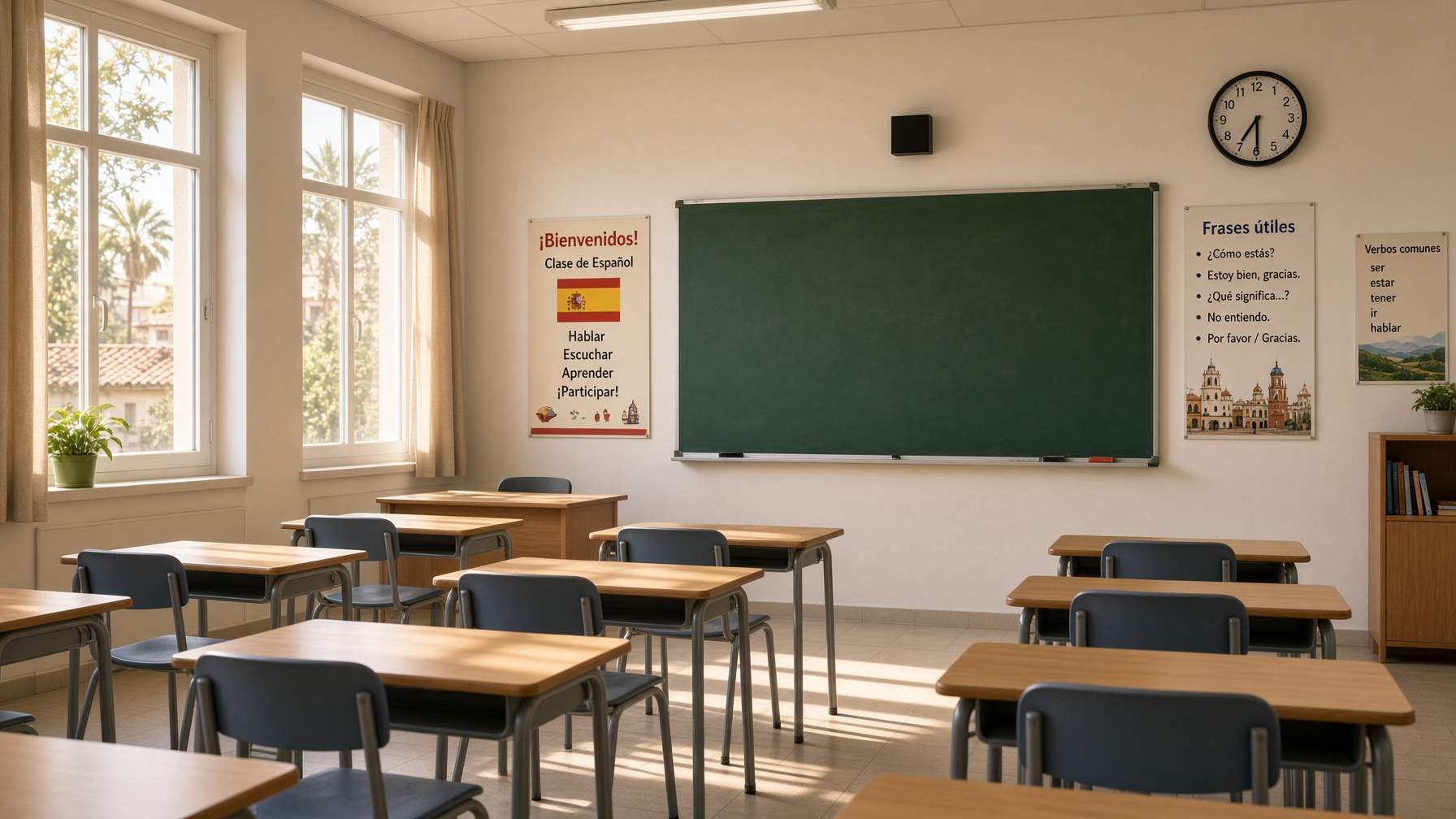
Between free public schools and full international colleges sit Spanish private and concerted schools with stronger English (or other language) streams. Some follow the Spanish national curriculum with intensive English; others market themselves as bilingual.
These can be a good compromise when:
- You want more English support than a typical public school offers.
- Full international fees feel excessive.
- You still want children to sit Spanish qualifications and stay close to the local system.
Quality and true bilingual delivery vary widely — visit classes if you can, and ask how many hours are genuinely taught in English by subject specialists.
Matching towns to school strategy
Family priority | Towns / areas that often fit | Notes |
|---|---|---|
Short run to Jávea international options | Jávea, Montgó area, Benitachell, parts of Jesús Pobre | Premium property; strong lifestyle market |
Lady Elizabeth / Moraira–Dénia corridor | Benitachell, Teulada-Moraira, Gata, Dénia outskirts | Classic Moments Estates geography for family villas |
Elian’s / Altea–La Nucía cluster | Altea, Altea Hills, La Nucía, Alfaz, parts of Callosa | Mix of townhouses, apartments and hillside villas |
Public school immersion + village life | Many inland and coastal municipalities | Prioritise catchment; visit the specific colegio |
Lower entry price, accept longer drive | Calpe, Benissa Costa, some South / central pockets | Factor traffic on the N-332 and AP-7 |
There is no single “best” town — only the best fit for ages of children, language goals, budget and how many years you plan to stay.
Practical checklist before you buy
- Shortlist schools before you shortlist houses — or at least in parallel. A beautiful villa 55 minutes from the only school that fits your teenager is a false economy.
- Visit in term time if possible. Open days and corridor atmosphere tell you more than brochures.
- Ask about places for your children’s exact year groups — secondary and exam years fill differently from infant classes.
- Clarify language support for public schools and induction for international ones.
- Budget the whole education package — fees, bus, lunch, uniform, activities, and (for public) tutoring if you want to accelerate Spanish.
- Align the purchase timeline with admissions — deposits, empadronamiento, NIE and completion dates often need to sequence carefully.
- Think about exit plans — if you might return to the Netherlands, Belgium, Germany, France, the UK or Poland in a few years, curriculum continuity (British, IB, or strong Spanish Bachillerato) matters.
Bottom line for Moments Estates clients
The Costa Blanca can work extremely well for relocating families: public schools that immerse children in Spanish life, and a genuine cluster of international and bilingual options along the North coast. The mistake we see most often is buying the dream view first and discovering the school run second.
If you are planning a family move, tell us the children’s ages, preferred language of instruction and rough budget for fees. We can narrow towns and micro-locations that keep the school run sane — from Jávea and Moraira through Altea and La Nucía — without losing sight of property type, community fees and resale strength.
Speak with our team for a location shortlist built around real school catchments and drive times, not just listing photos.
.jpeg)